
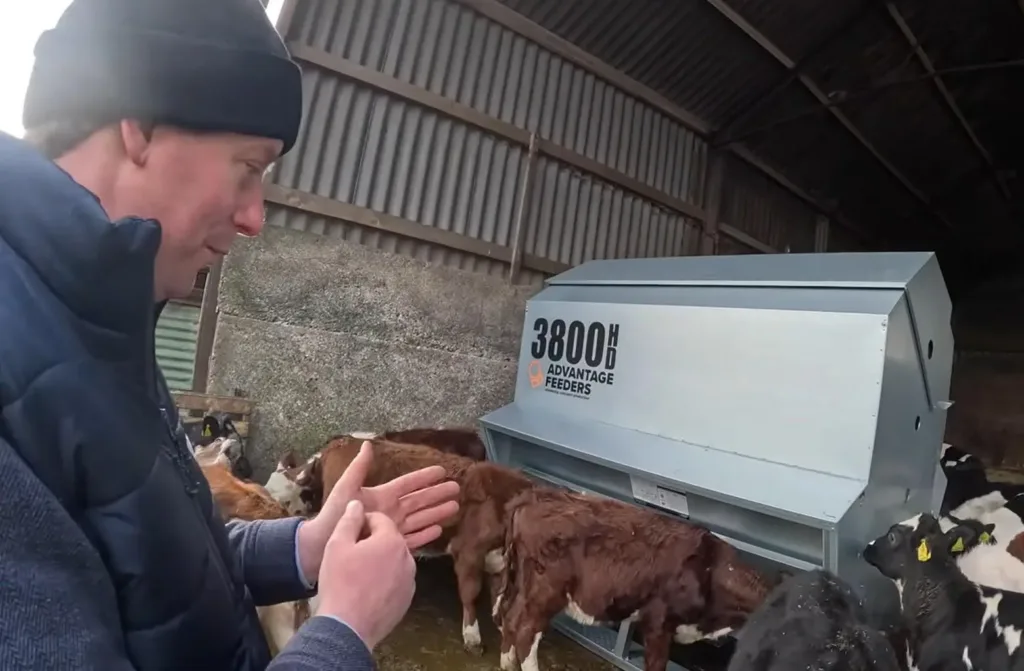
As temperatures drop and cattle move indoors, maintaining body condition becomes a key priority on Irish farms. Silage forms the foundation of most winter diets, but depending on its quality, additional meal or grain may be needed to meet livestock nutritional requirements.
The key is feeding the right amount, in the right way.
Match Supplementation to Livestock Needs
Not all cattle have the same nutritional requirements.
- Dairy cows need to maintain suitable body condition ahead of spring calving.
- Growing beef cattle require sufficient energy and protein to support consistent weight gain.
- Suckler cows may only need to maintain condition, depending on their stage of pregnancy and forage quality.
Testing silage, monitoring body condition and grouping cattle according to their needs can help avoid unnecessary feed costs.
Why Feeding Little and Often Matters
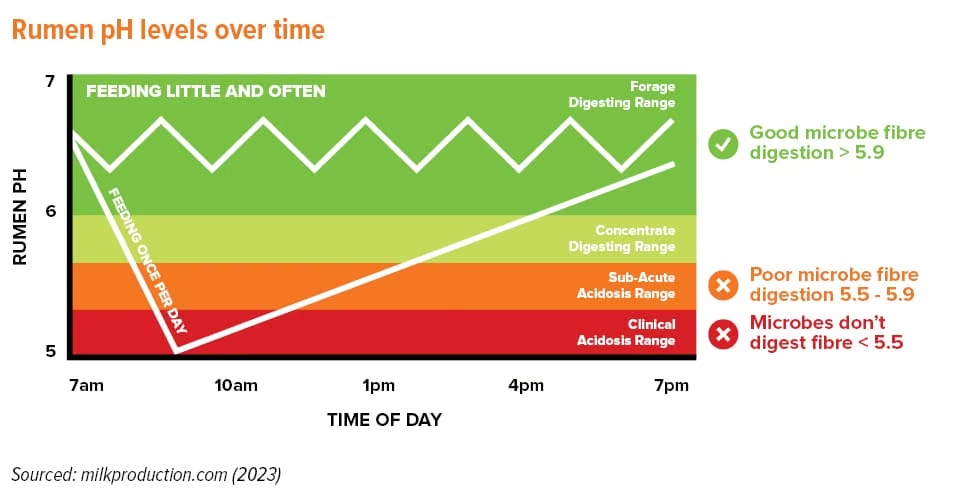
How grain and meal are fed is just as important as how much is provided.
Large amounts of grain consumed at once can cause rumen pH to drop, increasing the risk of digestive upsets and acidosis.
Providing smaller, more frequent amounts alongside adequate forage helps support more stable rumen conditions.
Advantage Feeders’ cattle feeding information sheet explores the benefits of this little and often approach compared with feeding larger quantities once or twice daily.
Make Every Kilo of Feed Count
Effective winter feeding means regularly checking livestock condition, monitoring meal consumption and adjusting rations as requirements change.
Controlled feeding can help manage supplementary feed intake and reduce waste, while supporting a more consistent feeding routine.
Want to make your winter feeding programme more efficient?
Contact Advantage Feeders Ireland to learn how controlled grain and meal supplementation could work on your farm.